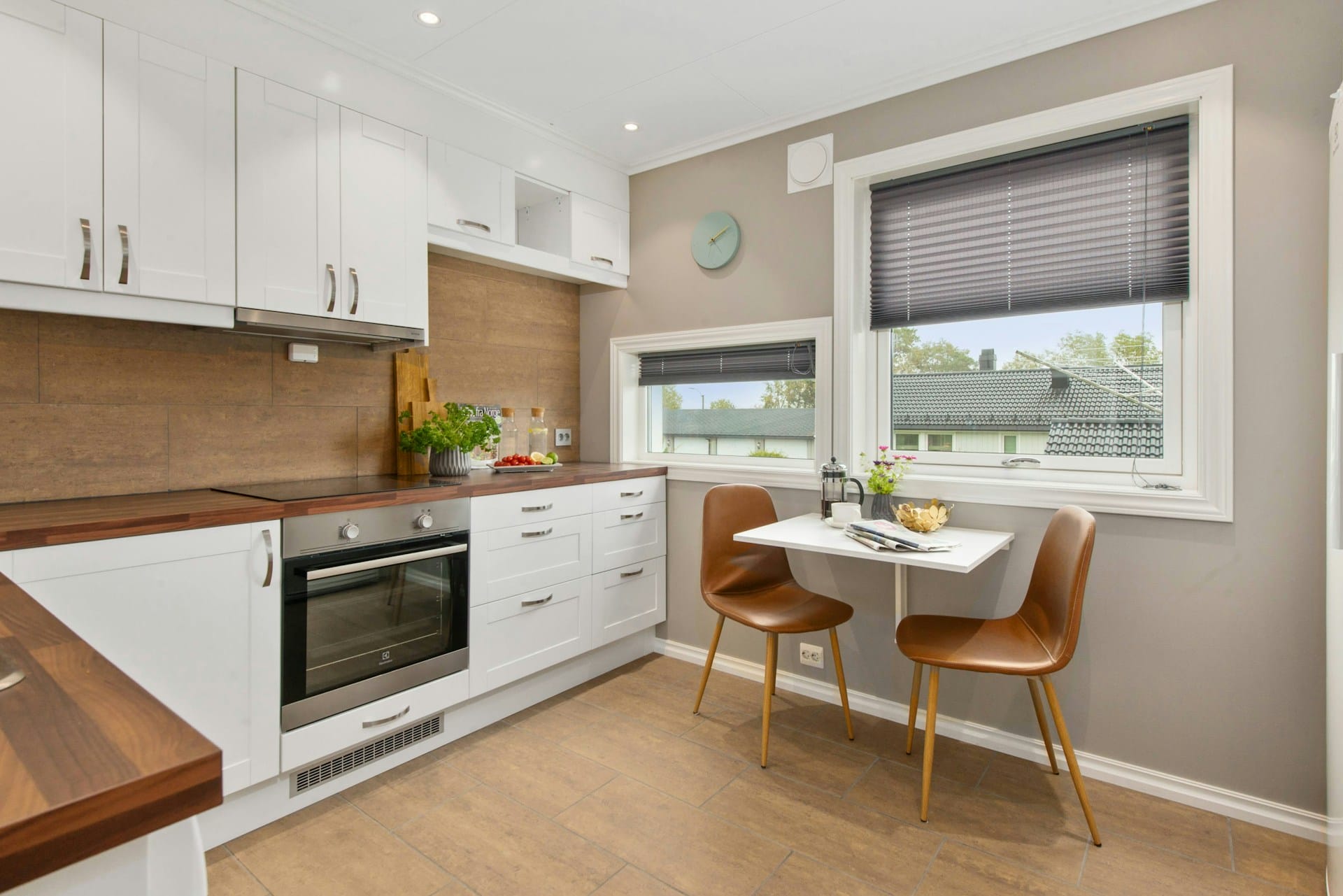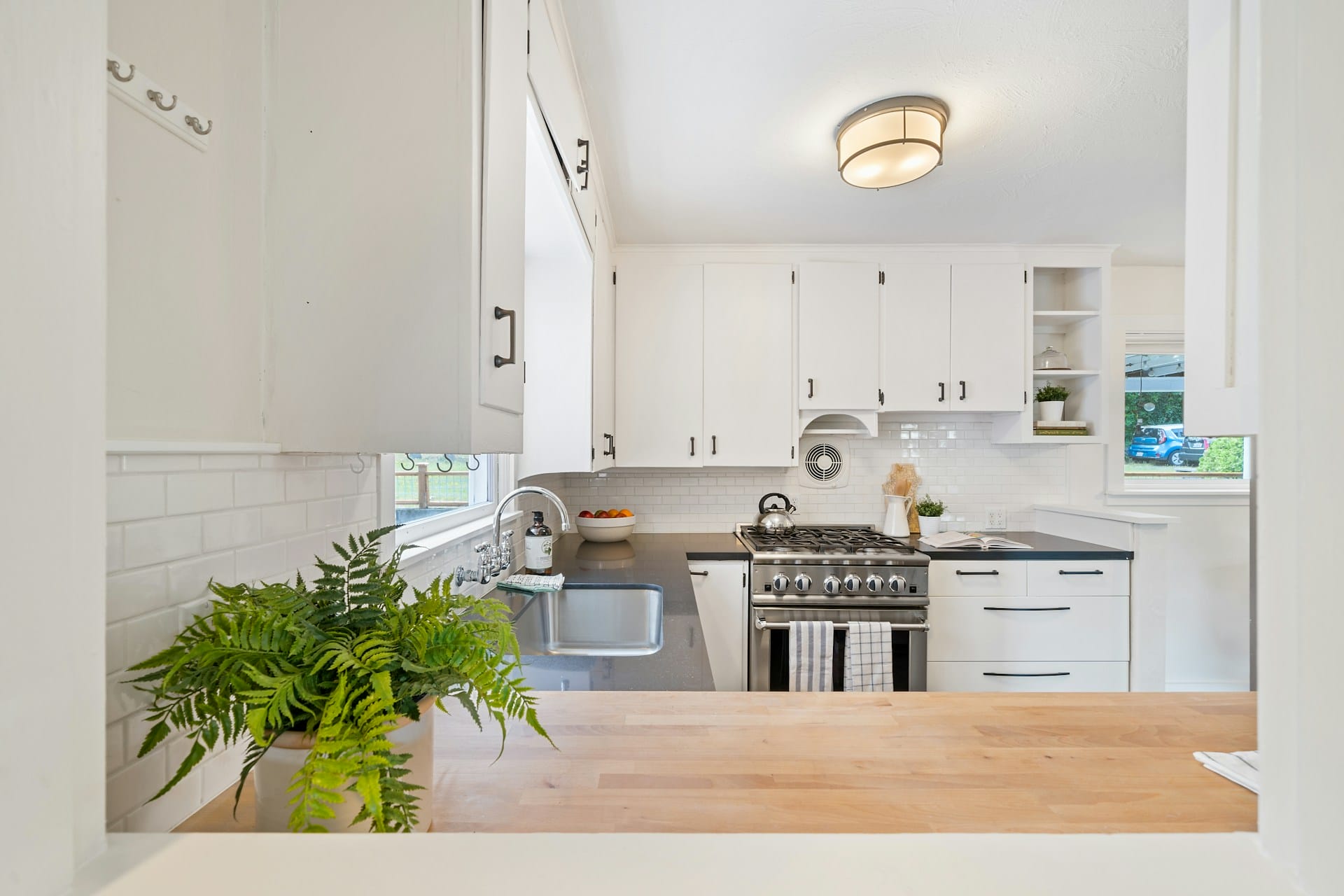
Before the cabinets get mounted or the final flooring goes in, there’s a stack of other steps that need to happen first. These behind-the-scenes tasks are where a kitchen contractor really keeps things on track. Spring is a great time to move forward with this kind of work. As the weather warms up in Verona, NJ, we get more favorable conditions for drywall installation, floor prep, and scheduling the right trades at the right time.
Without solid prep, those final finishes might not land the way they should. That’s why we give so much attention to each part of the job that comes before the final pieces appear. Here’s how we get ready for the drywall and flooring stages, and what that process looks like from a contractor’s point of view.
Checking the Framing and Structural Work
Before we even think about drywall, we need to check that the framing underneath it is ready. This step is all about double-checking what holds the walls and openings together.
- We inspect wall studs and framing to confirm they’re straight, evenly spaced, and securely anchored
- Every window and door opening gets measured to make sure it lines up with the layout
- Plumbing, HVAC, and electrical rough-ins are confirmed, so nothing is out of place or likely to cause problems once the walls are closed in
We want to avoid surprises later, so this part of the process is about slowing down and catching anything that could throw things off once drywall starts going up.
NJ Kitchens and Baths starts every project in Verona, NJ with a detailed inspection of framing and rough-ins to ensure everything meets current codes before moving forward.
Getting the Walls Ready for Drywall
Once the framing checks out, wall prep comes next. This part often gets missed in quick jobs, but it makes a big difference in how clean and durable the finished wall will feel.
- We clear away dust and check for any leftover moisture around the surfaces, especially in areas near the sink or outside walls
- Blocking is added where needed so that things like heavy cabinets can be installed later with solid support behind them
- We re-check measurements to keep drywall seams from falling right behind outlets, fixtures, or high-use areas, which can lead to future cracking or awkward cuts
Taking the extra time here makes drywall hang better and feel more solid, which means fewer issues later when paint and finish materials are added.
You can review samples of drywall and select from flooring options, such as tile and hardwood, in our Verona showroom before work begins, which makes coordinating finishes smoother.
Preparing the Subfloor for New Materials
Just like with walls, what’s underneath the flooring matters more than most people think. Uneven floors, bouncing boards, or soft patches all show through once the surface material is installed.
- We walk the floor to feel for dips, soft spots, or shifts between boards or panels
- Any sections that creak or shift underfoot are repaired or reinforced before new flooring goes down
- We line up the right subfloor materials depending on what type of finish is coming next, like cement board for tile or underlayment for hardwood
This kind of prep helps keep new flooring quiet, level, and strong enough to last. It’s one of those early steps that really supports everything that happens after.
Timing Each Step Around Spring Conditions
April weather in places like Verona, NJ adds a few extra layers to our planning. Spring tends to bring moisture and temperature swings that can mess with materials if we don’t work around them.
- Drywall mud and certain adhesives need dry conditions to cure well, so we pay close attention to daily forecasts
- We plan ahead for material deliveries so flooring or drywall sheets aren’t exposed to unexpected rain or overnight humidity
- Our crew schedules get adjusted to keep things moving from one stage into the next without long pauses or people waiting on each other
We try to keep momentum consistent without skipping the prep that matters. It’s a balance, but it usually means better results by the time we’re laying floors or finishing walls.
Coordinating with Other Trades to Stay on Track
Kitchen projects involve a lot of hands: electricians, plumbers, tile installers, HVAC contractors. One delay from one trade can ripple through the whole job, so staying in sync means fewer issues.
- We stay in constant contact with every trade partner working in the same space
- If electrical or plumbing needs another pass before we can seal the walls, we flag it early so it doesn’t throw off the schedule
- Our prep for drywall and flooring often lines up with their milestones too, so we coordinate start and finish times carefully
A kitchen contractor wears a lot of hats during this part of the process. We’re actively planning, watching, and adjusting so that time and materials don’t go to waste.
A Kitchen That’s Ready for the Next Step
The part of a kitchen project where the floors come in and the walls close up may not be the flashiest, but it’s where so much of the hard work pays off. Everything before it supports everything after it. A kitchen contractor sets the tone by handling what’s under the surface, framing, subflooring, drywall backing, so that when the visible parts go in, they feel solid and built to last.
By adjusting to seasonal conditions and staying in sync with everyone involved, we keep projects moving without rushing through critical steps. It’s all about being ready at the right time, with every layer built strong enough for what comes next.
At NJ Kitchens and Baths, we take every phase of preparation seriously to ensure your kitchen build runs smoothly from frame to finish. Spring offers an ideal window to schedule, plan, and coordinate your project without the common delays of colder months. For upgrades in Verona, NJ, now is a great time to connect with a kitchen contractor who can guide the process in the right order. Let’s discuss how we can help bring your kitchen closer to the finish line, call us today to get started.