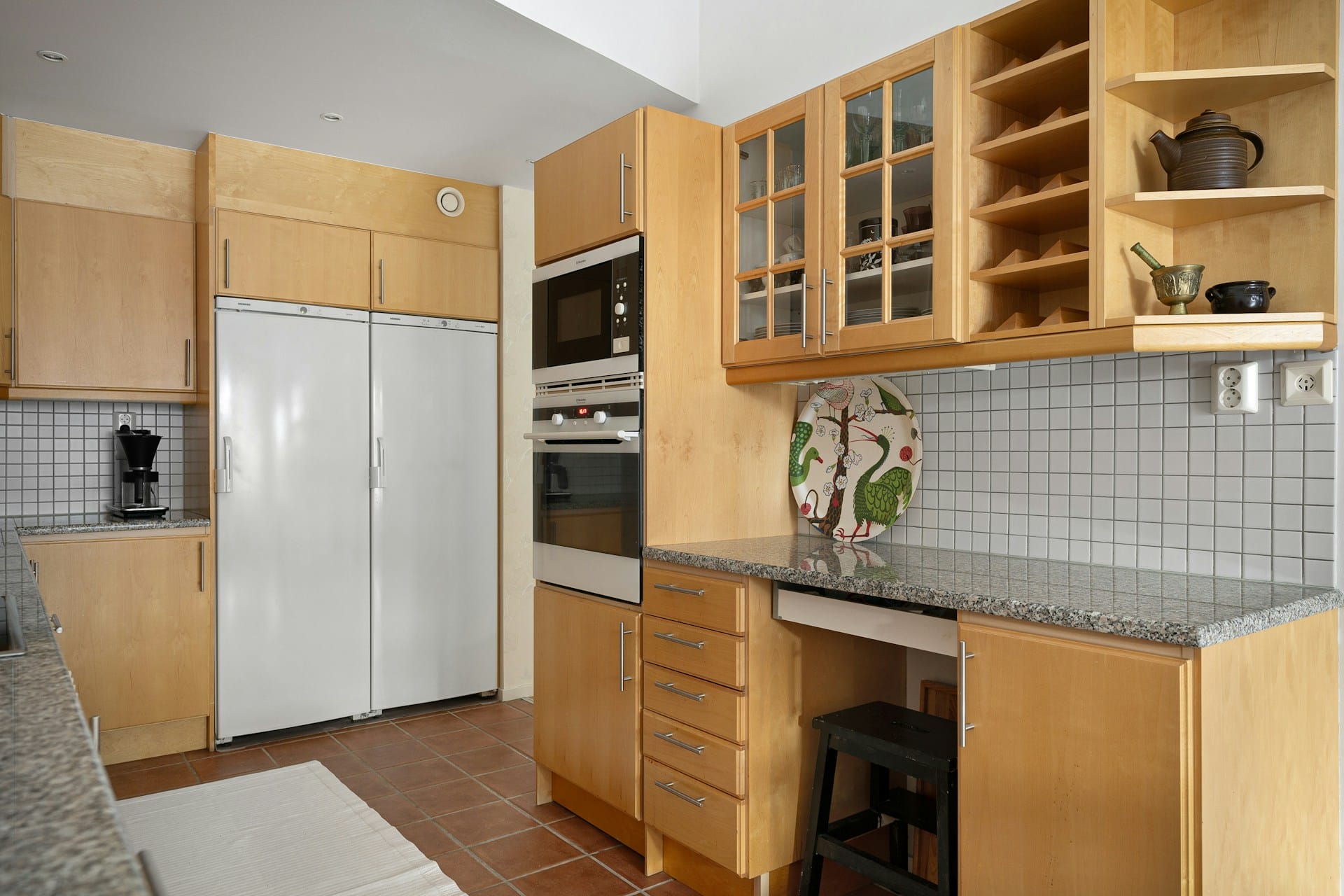
Kitchen cabinets work hard every day, and over time, the wear starts to show. Whether it’s sticky drawers, chips along the edges, or water spots that won’t go away, knowing when it’s time to replace them can be tricky. Some signs are easy to miss or brush off, especially during busy months when cooking at home picks up and you’re juggling other to-dos.
Winter is actually a good time here in places like Verona, NJ to take a closer look at what’s working in your kitchen and what’s not. With the holidays behind and the house quieter, it’s easier to notice small problems that might be turning into bigger ones. Here’s what we look for when trying to figure out if cabinets have simply aged, or if it’s time to replace them altogether.
Signs of Water Damage You Shouldn’t Ignore
Moisture is one of the most common reasons kitchen cabinets go downhill. Depending on how old they are, or how often water has sneaked into corners and creases, some damage stops being just cosmetic and starts affecting structure.
• Soft or drooping cabinet bottoms near the sink or dishwasher often mean water has been sitting too long
• Bubbling, peeling, or discolored finish on doors or drawer fronts can hint at moisture that got under the surface
• A musty smell, or worse, mold appearing inside the cabinets, means the inside has likely absorbed more water than it should
Leaks that aren’t obvious at first can damage cabinets from the inside out. Once these signs show up, it usually means the structure has been weakened and just patching the surface won’t solve the problem.
Cabinets That Can’t Hold Up to Daily Use
Even with regular care, kitchen cabinets deal with a lot of pushing, pulling, tugging, and bumping from everyday life. The more stress they take, the more likely things go out of alignment or just stop working the right way.
• Drawers that stick or sag, especially when full, may no longer sit properly on their tracks
• Cabinet doors that won’t close, swing unevenly, or constantly feel loose can make normal use frustrating
• Screws or hardware pieces that fall out or keep turning loose may be signs the internal wood is worn down or stripped
When it gets to the point where grabbing plates or opening a drawer becomes a hassle, it’s time to consider bigger changes.
When Repairs Stop Making Sense
There’s always a point where patch jobs just don’t pay off anymore. Quick fixes like tightening a screw or adding a little adhesive can work in the short run, but when the same spot needs attention again and again, something deeper is off.
• If you’ve already patched cabinet parts several times and they keep breaking
• If inner frames are warped or cracking, making it hard to keep things level
• If repainting or cleaning doesn’t make the cabinets look better anymore, it may be the material is too far gone
Cabinets aren’t meant to last forever, and signs like these often show up when the foundation itself has started to break down.
Our showroom in Verona, NJ offers updated cabinet displays from popular brands such as Fabuwood and Lauriermax, so you can compare new features side by side with what you have at home.
Common Age-Related Issues Around 15 to 20 Years Old
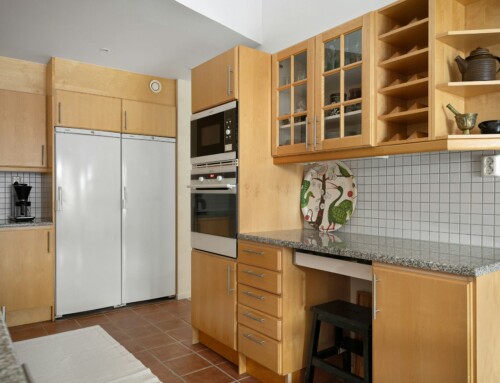
Cabinets usually last a while, but if yours are between 15 and 20 years old, you’re probably starting to notice extra wear, especially if they’ve never been replaced. At this point, materials just don’t hold up like they used to.
• Wood starts to chip or split more easily thanks to years of changes in kitchen temperature and moisture
• Corners and seams begin to separate or crumble, even if the exterior still looks okay from a distance
• Old cabinet layouts might not fit newer appliances or allow enough storage for how you use your kitchen today
Even if some doors still open and close, older cabinets can slow down your kitchen use without you realizing it. Once they reach this age range, it’s smart to think about long-term plans.
We offer a range of modern cabinet door styles and accessories that can make organization easier, from deep drawers to pull-out corner units designed for tricky spaces.
How to Plan for a Full Cabinet Replacement
If you’ve spotted several of these issues, it may be time to stop patching and start planning. Even though that idea can feel like a lot, taking small clear steps makes the process easier.
• Take a look at how you move around your kitchen and whether the current setup actually works for you
• Write down what’s missing, whether it’s more storage space, better access, or a cleaner look
• Work with a professional who can help you compare cabinet replacement with the option of refacing, depending on the condition
Thinking through the layout and materials before replacing anything gives you a better shot at long-lasting results later.
Time to Rethink What Works in Your Kitchen
Replacing kitchen cabinets isn’t just about how they look. It’s about how they hold up, how they fit into your daily routine, and how long they’ll keep working well for your family. Paying attention to soft bottoms, warped doors, or sagging drawers now can help you avoid headaches right before the next busy season hits.
These warning signs might seem minor at first, but they tend to stack up with time. A fresh cabinet setup not only fixes those daily annoyances, it can make cooking, hosting, and cleaning feel simpler and more comfortable again. And that’s worth noticing during a calm winter month before spring projects start filling up the calendar.
When the signs are mounting and you’re ready for a change, our team at NJ Kitchens and Baths is here to help you explore the best options. Outdated cabinets or drawers that no longer function the way you need can make your kitchen less enjoyable, and the quieter winter months in Verona, NJ are a great time to start planning updates. Explore new kitchen cabinets designed to fit your lifestyle. Let’s connect and turn your kitchen vision into reality.