Kitchen remodeling can seem exciting at first, especially when you’re thinking about more space or better storage. But a few skipped steps or rushed decisions early on can lead to regrets later. As we get deeper into winter here in Verona, NJ, it’s a good time to slow down and look closely at your space before you begin changing it.
This season is quieter, which makes it easier to think through what works in your kitchen and what doesn’t. Understanding what to avoid at the beginning keeps you from spending extra money or ending up with a layout that’s hard to live with. Here are some of the most common mistakes we see people make when they start remodeling their kitchens.
Poor Planning Before Demolition
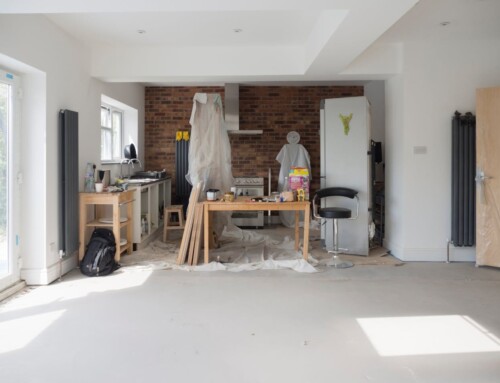
One of the biggest problems we see is starting demolition before having a clear plan. Tearing things out feels like progress, but without solid decisions already made, it can cause delays and confusion.
• Skipping layout planning can lead to cabinets that don’t fit or missing space for outlets and appliances
• Underestimating how you’ll cook and move through the room means you might end up with a less practical kitchen
• Not setting up a temporary space to prepare meals during remodeling can make everyday life difficult
It’s much easier to think clearly when things are still in place, so it’s smart to get those plans locked in early. That way, once demolition starts, the project can keep moving without extra frustrations.
Overlooking Storage Options
Storage should be one of the first things that gets your attention, not an afterthought. It’s easy to focus on the colors and finishes, but if you don’t think ahead about where everything goes, your kitchen might not feel organized once it’s done.
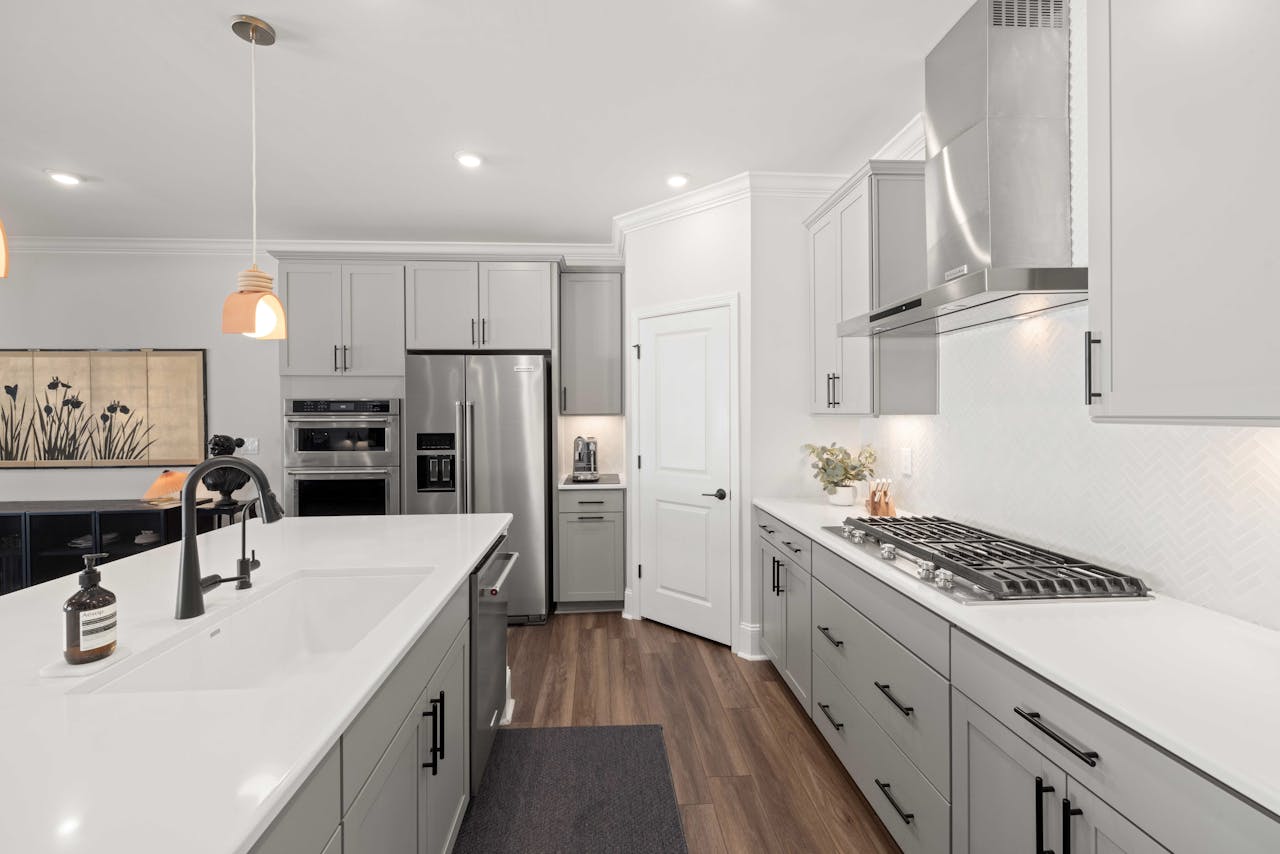
• Ignoring upper wall space means missing out on extra cabinets or shelves
• Using too many drawers or cabinets just for their looks can hurt functionality if they don’t fit your needs
• Leaving out options like slide-out shelves or deep drawers for pots and pans makes everyday use harder
A new kitchen should look better and feel easier to use. Thinking about storage before picking materials helps make sure your kitchen does both.
We help clients evaluate both upper and lower cabinet options as well as innovative storage features, so you can really maximize your new kitchen’s functionality.
Choosing Materials Based on Looks Alone
Everyone gets drawn to colors and textures, especially in sample photos or showrooms. But the materials you pick need to hold up to real-life use, too. A surface that looks good might not feel great to clean or maintain.
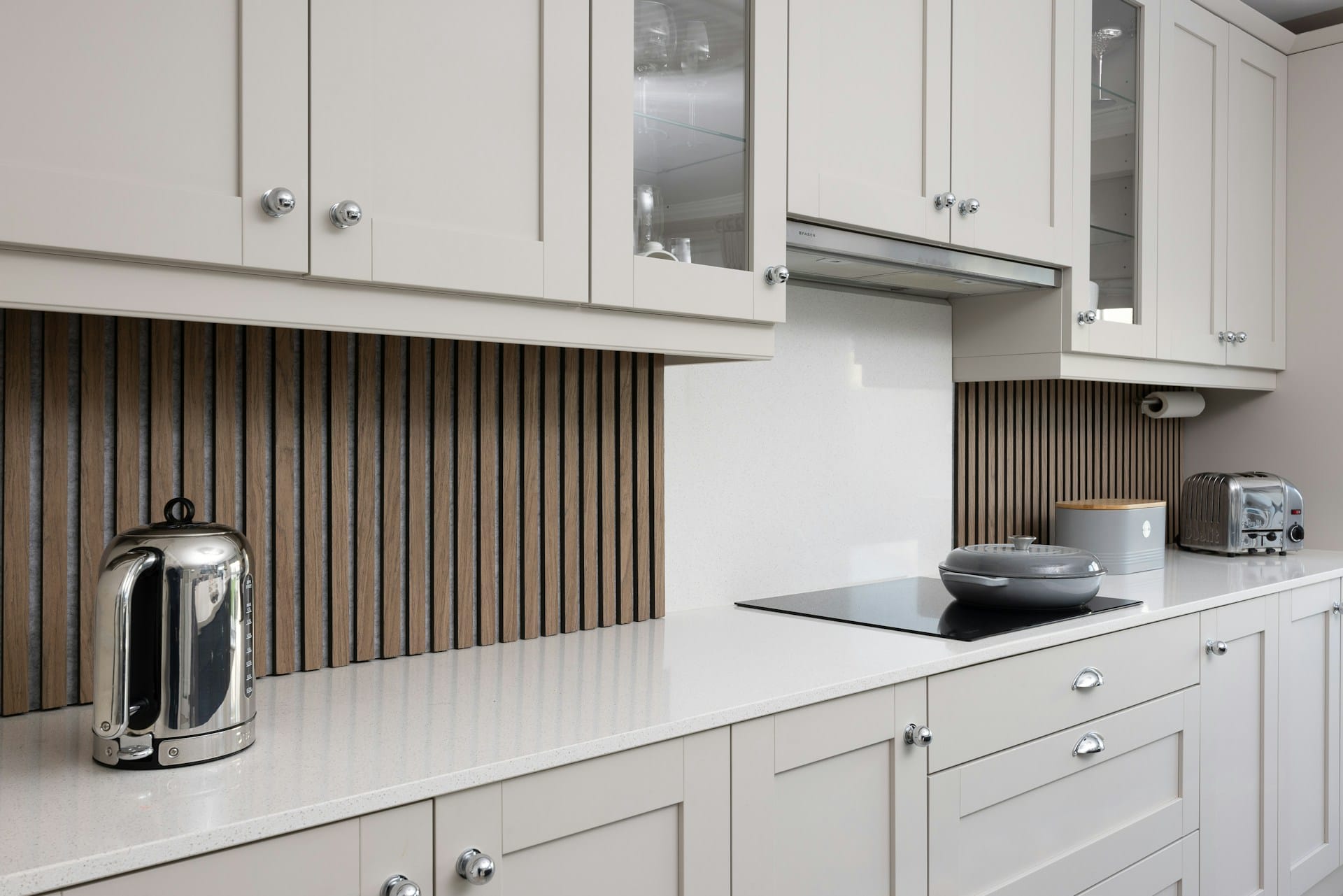
• Some countertops show wear quickly or are harder to wipe down
• Certain floors look great but don’t stand up to heavy traffic or dropped items
• It’s easy to forget how lighting changes the way finishes appear, especially with windows or under-cabinet lights
Taking time to compare materials in person before committing helps lower the chance of regret later. Thinking through cleaning and wear makes a big difference when you start living in the space every day.
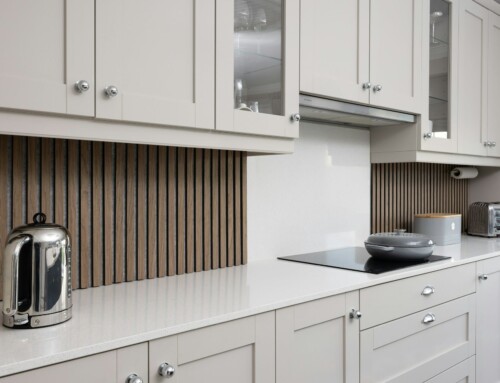
Our kitchen showroom features a variety of material samples, including solid surface, quartz, and natural stone options, so you can compare durability and style easily before choosing.
Not Balancing Function with Style
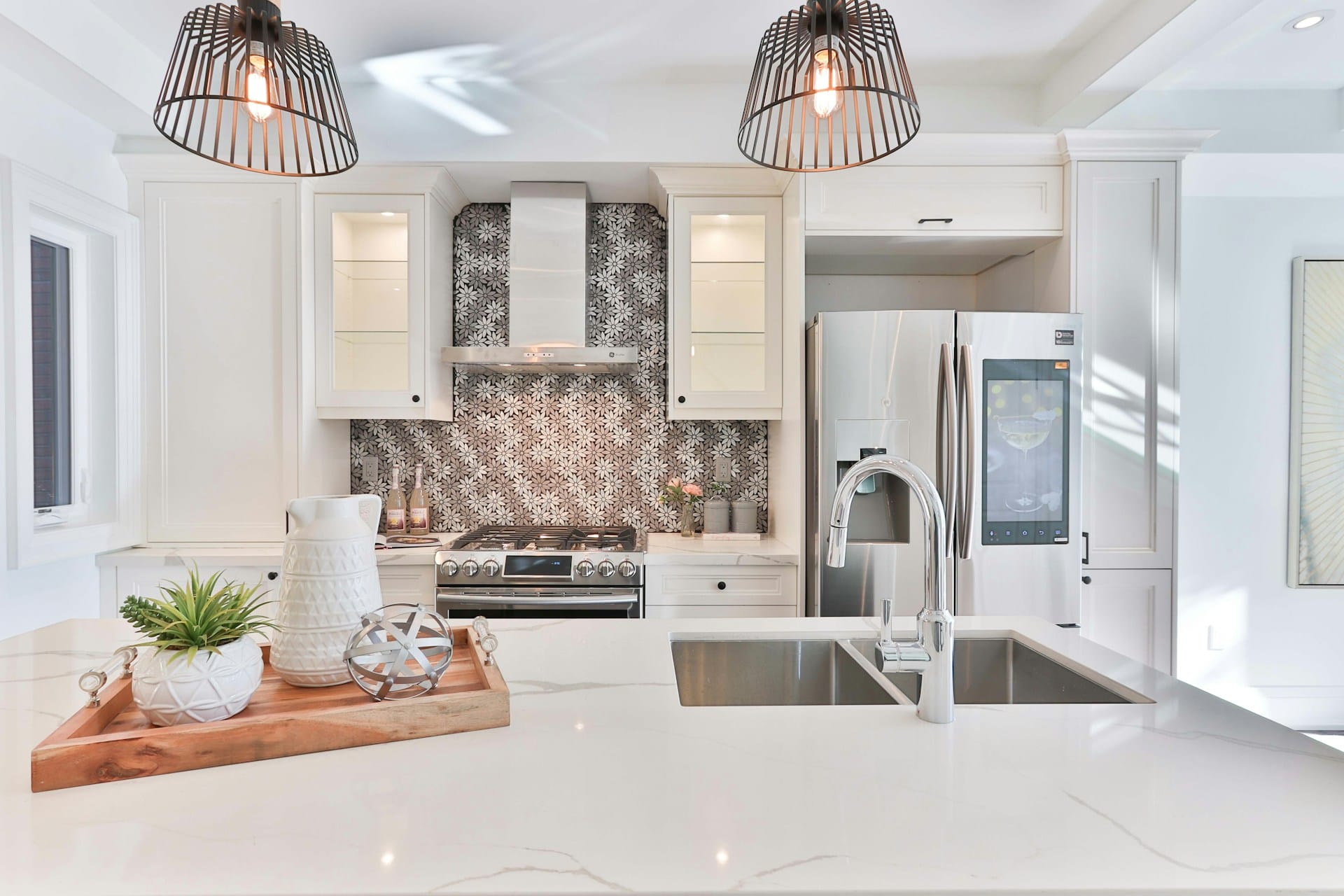
It’s easy to get excited about cabinet styles, backsplashes, or lighting. But if those things make the kitchen harder to move around in, the design isn’t doing what it should. A beautiful kitchen still needs to support real-life use.
• Placing the sink and stove too far apart or backing appliances into tight corners breaks up your workflow
• Adding features like oversized islands might reduce walking space
• Following trends that don’t match the size or shape of your kitchen can make it feel awkward
Good kitchen design supports your daily routine. That means thinking about how you shop, cook, clean, and move. The best kitchens feel good to look at but work even better when in use.
Failing to Set or Follow a Realistic Budget
Remodeling costs can rise quickly when decisions are made without comparing options. It’s not just about picking less expensive materials, it’s about knowing what matters to you and where to make trade-offs.
• Leaving out space in the budget for minor repairs and product delays can create stress during remodeling
• Spending on unnecessary features might move money away from big upgrades that would make more impact
• Making last-minute design changes can stop work, add cost, or throw off the schedule
If you’ve waited to remodel your kitchen, you want it to feel worth it afterward. Creating a budget that gives you both comfort and control means fewer surprises and a better overall result.
A Smarter Kitchen Starts with Awareness
Most people picture how they want their kitchen to look. Fewer think carefully about how it will work. Knowing where others tend to make mistakes helps you stay focused on the day-to-day tasks that truly shape your space for the better.
When we plan from the ground up, stopping to ask how this kitchen will fit real use, how it should feel during breakfast, family dinners, or quiet evenings, we make smarter choices. Taking time now while winter is still calm gives you space to plan, rethink, and feel confident about each step ahead.
By watching out for these common slips, your kitchen remodel can be a smoother and more rewarding experience from start to finish.
Winter is the perfect season to plan your next project with plenty of time to consider every detail. With less urgency, you can focus on what really matters, designing a space that fits how you truly cook, move, and gather in your kitchen. Avoid common remodeling pitfalls and discover options for kitchen remodeling that are thoughtfully created for everyday living. Contact NJ Kitchens and Baths to start your journey with confidence.